
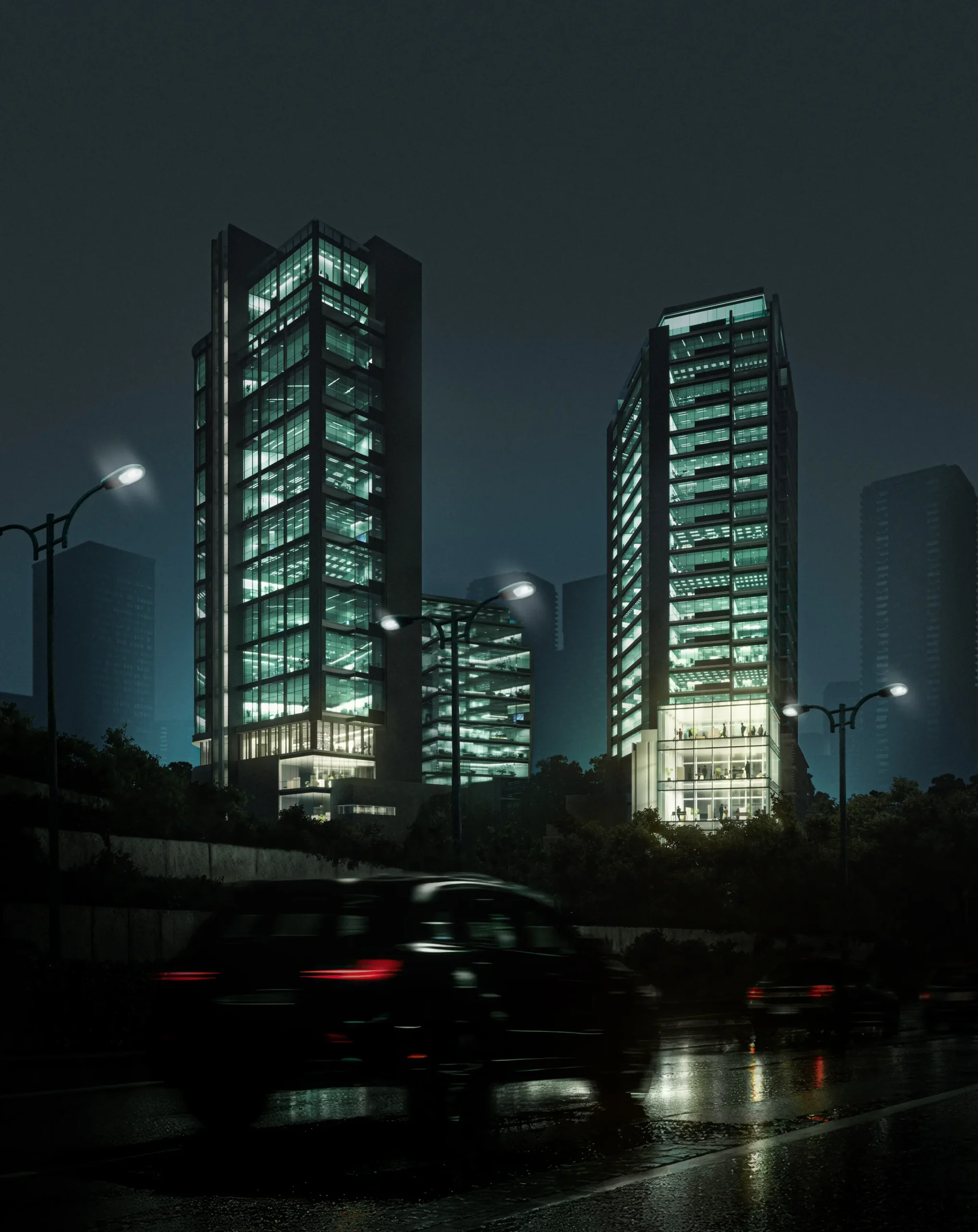

Interior rendering has revolutionized how we envision and experience unbuilt spaces. This transformative technology enables designers, architects, and clients to step inside their projects before construction begins, facilitating better decision-making and creating emotional connections with spaces yet to exist. This article explores the depth and impact of interior rendering in modern architectural visualization.
Introduction: The Power of Visual Communication
In the dynamic world of architecture and property development, the ability to visualize a project before breaking ground has become not just an advantage but a necessity. Exterior rendering serves as the cornerstone of modern architectural visualization, offering stakeholders a window into the future of their investments.
Understanding Exterior Rendering
At its core, exterior rendering is the art and science of creating photorealistic 3D visualizations that represent a building’s external appearance. Using advanced software and technical expertise, our team transforms architectural plans into vivid, lifelike images that capture every nuance of the design intent.
The Technical Revolution
Modern rendering technology has revolutionized how we approach architectural visualization. Gone are the days of relying solely on hand-drawn sketches or basic computer models. Today’s rendering solutions offer:
- Photorealistic material representation
- Accurate environmental lighting simulation
- Real-world context integration
- Dynamic weather and seasonal variations
- Multiple perspective options
Applications and Benefits
For Architects and Designers
Exterior rendering has become an invaluable tool for architectural professionals, offering:
- Design validation before construction
- Enhanced client communication
- Quick iteration capabilities
- Detailed material and finish visualization
- Environmental impact assessment
For Developers and Real Estate Professionals
The marketing potential of high-quality exterior renders cannot be overstated:
- Pre-construction sales enablement
- Marketing material creation
- Investor presentations
- Planning approval support
- Project documentation
The Rendering Process
Initial Consultation
Every successful rendering project begins with a thorough understanding of the client’s vision. Our team works closely with stakeholders to gather:
- Architectural plans and elevations
- Material specifications
- Site context information
- Design intent documentation
- Preferred viewing angles
Development Phase
During development, we focus on:
- Basic 3D modeling
- Material application
- Lighting setup
- Environmental integration
- Camera angle optimization
Refinement and Delivery
The final stage involves:
- Detail enhancement
- Atmosphere creation
- Quality control
- Client feedback integration
- Final rendering delivery
Types of Exterior Renders
Architectural Visualization
Standard architectural visualization focuses on depicting the building in its completed state, perfect for:
- Planning submissions
- Client presentations
- Marketing materials
- Design development
Context Visualization
These renders show the building within its environment, including:
- Surrounding buildings
- Landscape elements
- Street furniture
- Human activity
- Vehicle integration
Aerial Perspectives
Bird’s-eye views offer:
- Overall site context
- Master planning visualization
- Scale demonstration
- Site integration understanding
Technical Considerations
Resolution and Quality
Our rendering services prioritize:
- High-resolution output
- Color accuracy
- Material fidelity
- Lighting realism
- Detail precision
Environmental Integration
We carefully consider:
- Natural lighting conditions
- Seasonal variations
- Weather effects
- Time of day
- Shadow studies
The Impact on Project Success
Client Communication
High-quality exterior renders facilitate:
- Clear design understanding
- Efficient decision-making
- Stakeholder buy-in
- Marketing success
- Project visualization
Cost Benefits
Investment in quality rendering can lead to:
- Reduced design revisions
- Faster approvals
- Enhanced marketing results
- Better client satisfaction
- Streamlined development process
Future Trends
Technology Advancement
The future of exterior rendering includes:
- Real-time rendering capabilities
- Virtual reality integration
- Augmented reality applications
- Artificial intelligence assistance
- Enhanced automation
Sustainability Visualization
Modern renders can demonstrate:
- Energy efficiency features
- Sustainable materials
- Environmental impact
- Green building elements
- Natural resource utilization
Conclusion
Exterior rendering has evolved from a luxury to a necessity in modern architectural practice. As technology continues to advance, the ability to create increasingly realistic and detailed visualizations will only grow more sophisticated. For architects, developers, and clients alike, investing in high-quality exterior rendering services is not just about creating pretty pictures – it’s about making informed decisions, improving communication, and ensuring project success.
Through our expertise in exterior rendering, we help bring architectural visions to life, enabling stakeholders to make confident decisions while creating compelling visual narratives for their projects. As we look to the future, the role of exterior rendering in architecture and development will only become more central, continuing to bridge the gap between imagination and reality.
